

Bob Sight Auto Group

Blog / Bob Sight Auto Group

How to Choose a Car Dealership You Can Trust in Kansas City

Learn how to choose a car dealership you can trust in the Kansas City area, with tips on pricing, reviews, vehicle information, and support after the sale.

How to Choose a Car Dealership You Can Trust in the Kansas City Area

Choosing a car dealership you can trust in the Kansas City area starts with looking at how the dealership answers questions, explains pricing, and helps you evaluate a vehicle. A useful shopping experience should leave you with a clearer understanding of your options, the proposed purchase, and where to turn after you drive home.

For shoppers in Independence, Lee’s Summit, Blue Springs, Lawrence, and surrounding communities, there are several practical ways to evaluate that experience before making a decision. Pay attention to the details of your conversations, ask for information you can review, and consider how the dealership fits your ownership needs.

At Bob Sight Auto Group, we believe trust grows through clear communication and lasting relationships. This guide explains what to look for, what to ask, and how to approach your next dealership visit with a plan.

Start With How the Dealership Responds to Your Questions

Your first email, phone call, or online inquiry gives you an opportunity to evaluate communication. Ask something specific about a vehicle or the shopping process. Then consider whether the response addresses what you asked and identifies anything that still needs confirmation.

For example, you might ask whether a particular vehicle is available, whether it has a feature you need, and which location has it. A useful response should help you understand those details or explain how the team will verify them.

Someone may need time to check equipment, inspect a vehicle, or consult another department. What matters is whether there is a clear next step and whether the follow-up answers your question. Accuracy is more useful than a quick answer that leaves you uncertain.

Notice Whether Your Priorities Stay Part of the Conversation

If you explain that you need accessible cargo space or room for regular passengers, those needs should help guide the discussion. You should not have to repeatedly redirect the conversation toward the things that brought you to the dealership.

A helpful starting point is to share three priorities and one concern. This gives the team something concrete to work with and gives you a way to assess whether the recommendations fit.

Look for Clear Information About the Specific Vehicle

A vehicle listing can help you begin researching, but the individual vehicle deserves a closer look. Similar model names and trim descriptions do not always mean identical equipment. Confirm the features that matter to you before planning your visit.

Save the listing or stock number so everyone is discussing the same vehicle. Ask the dealership to verify anything that is unclear in the description or photographs. If an image appears to show a feature you need, request confirmation rather than making an assumption.

  • Is this exact vehicle currently available to view?
  • Which dealership location has it?
  • Can you confirm the equipment that matters to my search?
  • Are there details I should know before arranging a visit?
  • Who should I contact if I have additional questions?

This preparation is useful whether you are driving across Independence or coordinating a trip from Overland Park to Lawrence.

Ask for a Written Breakdown of the Proposed Purchase

Request an itemized written price for the vehicle you are considering. Ask what is included, which discounts depend on eligibility, and how optional products affect the total. Clear numbers give you something concrete to review and compare.

For example, if two quotes differ, identify the reason before deciding which is a better fit. Confirm that they describe comparable vehicles and use the same assumptions about your purchase. Ask the dealership to explain any unfamiliar charge.

Keep the quote with the vehicle listing and your questions. If the proposal changes during the conversation, request an updated version. This helps you follow the discussion without relying on memory.

Consider More Than the Monthly Payment

A monthly payment is one part of a financing offer. Also review the amount financed, annual percentage rate, loan term, and total of payments. A longer term can reduce the monthly payment while increasing the overall interest paid, so compare the full proposal.

Ask for an explanation of how changing the down payment or term affects the offer. If you have another financing proposal, compare it using the same vehicle and purchase assumptions.

Your goal is to understand what you are agreeing to and how it fits your plans. Take time to review the figures and ask questions before signing.

Read Reviews for Patterns and Specific Details

Reviews can help you identify questions to bring to a dealership. Look beyond the overall rating and read comments describing actual experiences. A detailed review about communication, follow-up, or a service visit offers more context than a brief rating by itself.

Read a range of recent feedback and notice recurring themes. Are customers describing clear explanations? Do they mention being able to reach someone after a purchase? Are several comments raising the same concern?

Also consider how the business responds. A reply cannot tell you everything about what happened, but it can show whether the dealership offers a practical way to continue the conversation. Use reviews as one source of information alongside your own experience.

Evaluate the Visit Before Making a Decision

Once you arrive, consider whether the appointment follows the expectations established beforehand. Is the team aware of the vehicle you asked about? Do you know who is helping you? Are your questions being carried forward from the earlier conversation?

If something has changed, ask for an explanation. A vehicle may become unavailable or a team member may need assistance from another department. What matters is whether the change is communicated clearly and you understand your options.

Give yourself room to evaluate the experience as it happens. You may discover another question after sitting in the vehicle or reviewing a document. A useful visit makes space for those questions instead of treating your initial inquiry as the end of the discussion.

Use the Test Drive to Check Your Daily Needs

A test drive is an opportunity to assess how a vehicle fits your routine. Before leaving, identify what you want to learn. Consider driving position, visibility, comfort, and how easily you can operate the controls you use most.

While parked, examine passenger access and cargo space. Think about the items you regularly carry, where you keep personal belongings, and whether the layout feels practical. Ask for a demonstration of features you do not understand.

Someone commuting through Kansas City may focus on visibility and seat comfort. A Lawrence household may need flexible passenger and storage space. Your priorities should determine what you evaluate, and the dealership conversation should help you explore them.

Ask More Detailed Questions About a Used Vehicle

For a used vehicle, review the available history information and ask about its condition and any documented work. A history report provides context, but it does not replace examining the vehicle or having a qualified mechanic assess it.

Ask about arranging an independent inspection before purchase. Review the Buyers Guide and any written warranty information, and request written documentation of promises made during the sale.

If something needs further explanation, such as a repair record or an observation during the drive, discuss it before moving forward. The purpose is to understand the individual vehicle rather than relying only on its appearance or model reputation.

Make Sure You Have Time to Review Information

Feeling ready matters. You may want to reread a proposal, discuss the vehicle with another household member, or clarify a feature before deciding. Tell the dealership what you still need to understand and ask how to address it.

If someone mentions a deadline, ask what the deadline applies to and request the relevant details. Distinguish between a vehicle’s current availability and a specific offer’s terms so you know what is being discussed.

You can also set expectations early. Let the team know whether you are beginning research, narrowing a shortlist, or preparing to purchase. That context helps make the appointment useful for your stage of the process.

Think About the Relationship After the Sale

A dealership’s usefulness can continue beyond the purchase appointment. Before deciding, ask where you would turn for help understanding a feature, arranging maintenance, or discussing a concern after delivery.

Find out how to contact the service and parts departments and how appointments are requested. Consider whether those resources fit your schedule and location. Someone who works near Lee’s Summit may plan visits differently from someone traveling from Topeka to Lawrence.

You do not need every future visit planned. Knowing how to reach the right department gives you a practical starting point when ownership questions come up.

Use Dealership History as Context for Today’s Experience

A dealership’s history helps explain its connection to the community. It can tell you how a business developed, which locations belong to its family, and what principles it says guide its work.

The Sight family’s automotive roots date to Kansas City in 1923. You can explore that background on the Sight family history page.

As you research any dealership, connect its stated values to your own interactions. Notice whether the communication, follow-through, and explanations support the relationship it describes. History provides background; your experience helps you decide whether the dealership fits your needs today.

Questions to Bring to a Kansas City Area Dealership

Prepare a short question list before your appointment. Keep it focused on the decisions you still need to make. You can add questions during the visit, but having a starting point helps you stay organized.

  • What should I know about this vehicle before we begin?
  • Can you demonstrate the features I expect to use regularly?
  • Who can verify a detail if we do not have the answer today?
  • What information should I bring to my next appointment?
  • How will you follow up on the questions we have discussed?
  • Who should I contact after delivery for help with the vehicle?

Bring another household decision-maker when practical. Different people may notice different details, and a shared visit can help everyone understand the vehicle before making plans.

Getting to Know Bob Sight Auto Group

Bob Sight Auto Group includes four dealerships serving Missouri and Kansas: Bob Sight Kia in Independence, Bob Sight Ford in Lee’s Summit, and Bob Sight Honda and Bob Sight Chrysler Dodge Jeep Ram in Lawrence.

Each location has its own brand focus and store resources. Use the location pages below to identify the dealership that fits your search:

Our guiding message is Trust Is Our Tradition. We welcome the opportunity to answer your questions and help you understand your next step.

Frequently Asked Questions About Choosing a Dealership

How can I evaluate a dealership before visiting?

Start with a specific inquiry about a vehicle or the appointment process. Notice whether the response answers your question, identifies anything needing confirmation, and gives you a useful next step. Review the dealership’s location information and customer feedback as additional context.

What should I do if I receive an unclear answer?

Explain which detail you still need clarified and ask who can verify it. Some questions require help from another department or a closer look at the vehicle. Agree on a follow-up method so you know how the answer will reach you.

Should I choose the dealership closest to home?

Location is one consideration alongside vehicle fit, communication, and your experience with the team. Think about where you live, work, and regularly travel. A dealership should make sense for the purchase you are considering and the contact you may want afterward.

What if I am still early in my vehicle search?

Tell the dealership you are researching and explain what you hope to learn. You might need to compare vehicle sizes, understand available features, or identify which options deserve a test drive. An early visit can be useful without having every decision finalized.

How should I prepare for a visit from outside the immediate area?

Confirm the vehicle’s availability, dealership location, appointment contact, and department hours. Share the listings you want to discuss and ask what to bring. This preparation helps make a trip from Blue Springs, Olathe, Eudora, or another community more focused.

Plan Your Next Dealership Visit With Confidence

Before visiting, save your preferred listings and write down the questions that remain unanswered. Decide what you want to learn from the appointment, whether that is evaluating a vehicle’s layout, understanding a proposal, or meeting the team.

Afterward, review what you learned. Consider whether you understand the vehicle, know your next steps, and feel comfortable continuing the conversation. Those observations can help you choose a car dealership you trust in the Kansas City area.

When you are ready to meet our dealership family, visit Bob Sight Auto Group and select the location that fits your needs.

Helpful Links From Bob Sight Auto Group

Bob Sight Auto Group. Trust Is Our Tradition.
Posted in:

Related Posts

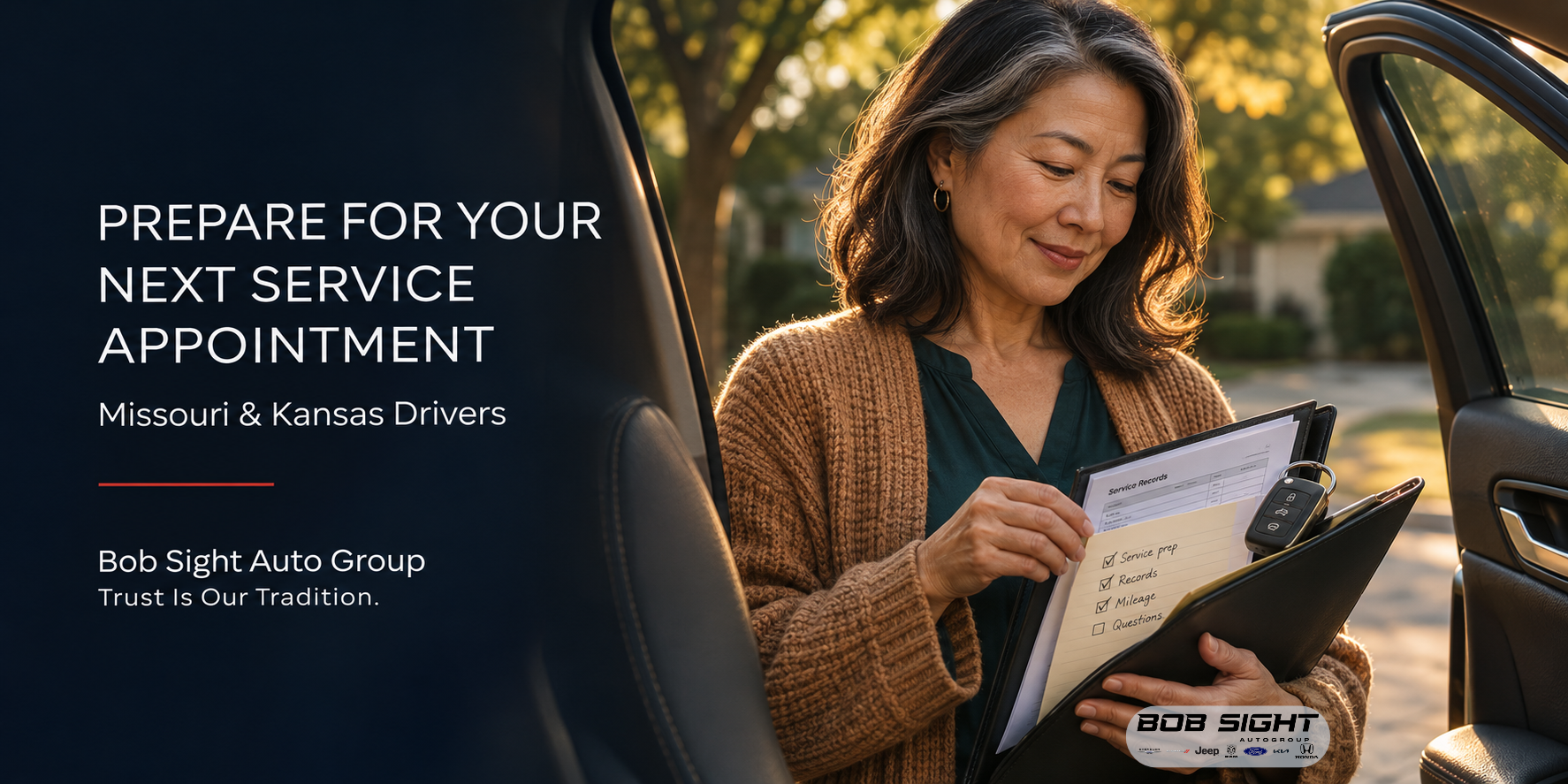
Prepare for your next car service appointment in Missouri or Kansas with tips on maintenance records, vehicle concerns, transportation, and check-in.

Car Service Appointment Checklist in MO & KS | Bob Sight

How to Prepare for a Car Service Appointment in Missouri or Kansas To prepare for a car service appointment, gather your vehicle information, write down any concerns, locate relevant maintenance records, and confirm your appointment details. Tell the service team whether you need routine maintenance, help investigating a symptom, or both. Before the visit, discuss transportation, communication preferences, and any questions about the initial evaluation. A little preparation helps you explain what your vehicle needs without relying on memory at the service counter. It also gives the dealership useful information before you arrive, whether you are scheduling a familiar maintenance visit or asking about something you have never noticed before. For drivers in Independence, Lee’s Summit, Lawrence, and surrounding communities, planning around work, school, and commuting can be just as important as choosing an appointment time. Knowing what to bring and what to ask makes that planning easier. Bob Sight Auto Group connects Missouri and Kansas drivers with service resources at our Kia, Ford, Honda, and Chrysler Dodge Jeep Ram dealerships. Use this guide to prepare for your next visit and have a clearer conversation about your vehicle. Decide What You Want the Service Visit to Address Start by identifying the reason for the appointment. Are you following a maintenance reminder, planning ahead for a road trip, or asking someone to investigate a change in how the vehicle behaves? You may have more than one reason. For example, your vehicle could be due for scheduled maintenance while also making an occasional noise. Mention both when scheduling so the team understands the full request. Separate Maintenance Requests From Vehicle Concerns A maintenance request describes work you want discussed or performed, such as an oil change or tire rotation. A concern describes something you have observed, such as a vibration, unusual sound, or warning message. These are different starting points for a service conversation. Selecting an oil change appointment does not automatically communicate that you also want an intermittent starting concern evaluated. List the maintenance items you want to discuss. Write a separate list of symptoms or warning messages. Identify the concern that matters most to you. Mention any recent work related to that concern. Ask whether your selected appointment type fits the full request. If you are unsure which service to choose online, contact the dealership rather than selecting a repair based on a guess. Gather Your Vehicle Information Before Scheduling Have the year, make, model, and approximate mileage available before requesting an appointment. The vehicle identification number, or VIN, can also help the dealership identify your specific vehicle. This information is useful if your household has multiple vehicles or if the dealership has not serviced yours before. Confirm that the appointment is attached to the vehicle you intend to bring. Include Details That Could Affect the Visit Tell the team about relevant modifications, aftermarket accessories, or equipment connected to your concern. Examples might include recently installed electronics, different wheels, or an accessory that changes access to part of the vehicle. You do not need to provide every specification from the owner’s manual. Share what you know, explain anything uncertain, and let the service team ask for additional details. Keep your preferred phone number and email address current as well. Accurate contact information matters when the advisor needs to discuss findings or ask a follow-up question. Describe What You Notice Without Diagnosing the Problem You do not need mechanical expertise to provide a useful description. Start with what you hear, feel, see, or smell, then explain the circumstances. “There is a vibration through the steering wheel during part of my commute” gives the team an observation to investigate. Naming a specific failed component without supporting information may leave out the details that would be more helpful. Use a Simple Symptom Note What happens? When did you first notice it? How often does it happen? What is the vehicle doing at the time? Does it happen at startup, during driving, or after parking? Have you noticed a message, sound, odor, or vibration with it? Has anything changed since it began? For example, you might write: “I noticed a rattle this week during the first few minutes of my morning drive. It seems to come from the passenger side, but I cannot identify the exact location.” That description gives context without claiming to know the cause. Bring the note or include a concise version in the appointment request. Document Intermittent Concerns Before the Appointment Some concerns do not happen every time you drive. A message may disappear, a sound may occur only occasionally, or a feature may work differently under certain conditions. Record the circumstances when you naturally notice the concern. A short log can help you explain a pattern that might be difficult to demonstrate during the appointment. Save Useful Information Safely When safely parked, write down the date, approximate mileage, weather, and what happened. If a dashboard message remains visible, a clear photograph can help you preserve its exact wording. Do not take photos, record video, or write notes while driving. Do not repeat a maneuver or continue driving simply to reproduce a concern. If a passenger has already captured a relevant recording safely, ask the advisor how to share it. Explain what the recording shows and when it was made. A photo or recording provides context, but it does not establish the cause. The dealership may still need to inspect the vehicle or gather additional information. Locate Relevant Maintenance and Repair Records Bring accessible records related to the work you are requesting. These might include recent invoices, inspection results, or documentation from another repair facility. You do not need to print an entire ownership history for every routine visit. Focus first on information connected to your current questions. Explain Recent Work and Previous Attempts to Address the Concern If the vehicle has already been evaluated for the same symptom, bring the earlier paperwork when available. Explain what changed afterward and whether the concern returned. Records can also help avoid uncertainty about when maintenance was last completed. If you cannot confirm a service date, tell the advisor rather than estimating it as a fact. Do not assume records from another business or dealership are automatically available. Ask whether the team can access them or whether you should provide copies. For drivers who recently purchased a used vehicle, the history may be incomplete. Bring what you received and ask the team how to plan maintenance with that information. Review Your Owner’s Manual and Maintenance Information Your vehicle’s owner’s manual and maintenance information are useful references before an appointment. They can help you identify the wording of a reminder and locate information about scheduled service. A general internet checklist may not match your specific model year, engine, equipment, or driving conditions. Use vehicle-specific information as the starting point for maintenance questions. Tell the Advisor How You Use the Vehicle Describe your normal driving routine, including frequent short trips, extended periods parked, towing, or regular travel on dusty roads when relevant. Ask how that use affects the applicable maintenance guidance. A driver making short trips around Lawrence may have a different routine from someone commuting from Blue Springs across the Kansas City metro. Sharing those details gives the service team a more complete picture. If you are preparing for a long trip, mention the departure date when scheduling. Ask what can reasonably be evaluated before you leave without assuming the appointment guarantees every future issue can be predicted. Confirm the Appointment Location, Time, and Purpose Before the visit, review the confirmation and make sure you selected the intended dealership. Bob Sight Auto Group has service resources at separate locations in Missouri and Kansas. Check the vehicle information, requested services, arrival time, and any instructions about where to park or check in. Ask What the Appointment Time Represents Clarify whether your scheduled time is for check-in, a waiting appointment, or another arrangement. Ask what the team can estimate about timing based on the work requested. A routine maintenance visit and a diagnostic evaluation may involve different scheduling needs. Additional findings, parts availability, and the ability to reproduce a concern can also affect the plan. If you have a firm pickup deadline, explain it before arriving. Ask whether the requested work fits that schedule and what alternatives might be available. For shoppers and owners traveling from Topeka, Eudora, or other nearby communities, confirming these details can help prevent an avoidable return trip. Plan Transportation Before Dropping Off the Vehicle Decide whether you hope to wait, arrange a ride, or leave the vehicle for a longer evaluation. Discuss your preference with the dealership before relying on a particular arrangement. If you need transportation assistance, ask what is available for your appointment. Confirm eligibility, availability, timing, and any applicable terms. Ask About Options at Your Selected Dealership Do not assume transportation services are identical across the Auto Group. Each location can explain the arrangements available for your vehicle and requested work. Ford owners can review the Bob Sight Ford service scheduling page, which includes options for shop work, Mobile Service, QuickLube, and Pickup & Delivery. Contact the Ford team to confirm which option fits the job and location. If someone else will drop off or collect the vehicle, ask what information the dealership needs. Make sure the advisor knows who can discuss the work and who should receive updates. Prepare the Vehicle for Access to the Requested Work Remove valuables and take home items you will need while the vehicle is at the dealership. Check the console, door pockets, cargo area, and any storage you use regularly. Ask whether the requested work requires access to a particular part of the cabin or cargo area. Clearing that space ahead of time can make check-in easier. Keep Relevant Accessories Available If wheel service is planned and your vehicle uses locking wheel nuts, locate the appropriate key and tell the advisor where it is. If a concern involves a particular remote or accessory, ask whether to bring it. If the appointment concerns a child seat area, a cargo component, or equipment installed in the vehicle, discuss access before removing anything. The team may need to see the configuration as you normally use it. You do not need to detail the vehicle for a service appointment. Focus on keeping the relevant areas accessible and communicating anything the technician should know before work begins. Discuss the Initial Evaluation and Communication Plan At check-in, review the requested work with the advisor. Confirm that the main concern and any secondary requests appear in the service notes. Ask what the initial evaluation includes and whether there is a diagnostic or inspection charge. Make sure you understand what you are authorizing at that stage. Agree on How to Handle Additional Recommendations Tell the advisor how you prefer to receive updates. If you cannot answer during certain hours, explain when you will be available and ask how that could affect progress. Request an explanation of additional recommendations before making a decision. Useful questions include what was found, how it relates to your concern, and what the proposed work includes. If you have a spending limit for the visit, discuss it clearly. Ask the team to contact you before proceeding beyond the agreed scope. Keep the conversation focused on understanding the work. A clear description, an understandable estimate, and a reliable contact method help you make informed decisions during the appointment. Bring Coverage Information if You Want It Reviewed If you believe a concern may relate to warranty coverage or a service contract, mention that when scheduling. Bring the relevant contract or documentation if it is not already available to the dealership. Ask what information the team needs to review the situation. Coverage depends on the applicable terms and the circumstances of the repair. Keep Coverage Questions Separate From Assumptions Instead of assuming a repair is covered, explain what coverage you have and ask how the review works. Discuss any authorization requirements or potential charges before approving work. If you received a recall notice or another manufacturer communication, bring it or share the identifying information. Ask the dealership to review the notice for your specific vehicle and confirm the next step. When paperwork is unclear, highlight the section you want explained. That gives the advisor a specific question to address. Schedule at the Right Bob Sight Service Location Choose your dealership before submitting the appointment request. Use the correct location’s scheduling resource and include the details you gathered. Kia Service in Independence, Missouri Kia owners in Independence, Blue Springs, Raytown, Grain Valley, and surrounding communities can use the Bob Sight Kia service scheduler. Include both maintenance requests and any concerns you want discussed. Ford Service in Lee’s Summit, Missouri Ford owners around Lee’s Summit, Greenwood, Pleasant Hill, Lone Jack, and the Kansas City metro can use the Bob Sight Ford service scheduling page. Review the available appointment options and confirm the arrangement that fits your vehicle. Honda Service in Lawrence, Kansas Honda owners in Lawrence, Eudora, Baldwin City, Topeka, and nearby communities can start with the Bob Sight Honda service scheduler. Have your vehicle details and recent service information available. Chrysler, Dodge, Jeep, and Ram Service in Lawrence, Kansas Owners can visit the Bob Sight CDJR service department page or use the CDJR service scheduler. Explain the purpose of the visit and any relevant vehicle equipment when requesting an appointment. Review the Results Before Leaving the Dealership When the work is complete, ask the advisor to review the repair order and explain what was performed. Confirm how the findings relate to the concern you originally described. If a symptom could not be reproduced, ask what information would be useful if it happens again. Keep a record of the visit so you can refer to the same concern later. Leave With a Clear Next Step Understand the work completed during the visit. Ask about any remaining recommendations. Confirm whether a follow-up appointment is needed. Ask which maintenance item should be planned next. Keep the invoice and relevant inspection information. If you do not understand a term on the paperwork, ask for a plain-language explanation. Your records are more useful when you know what they describe. Your Car Service Appointment Preparation Checklist Before heading to the dealership, work through this short checklist: Confirm the dealership, appointment time, and check-in instructions. Verify the year, make, model, and approximate mileage. List maintenance requests separately from symptoms. Write down when and how each concern occurs. Gather relevant records, notices, and coverage documents. Confirm transportation and pickup plans. Remove valuables and clear areas needed for access. Bring relevant keys or accessories requested by the team. Choose a reliable contact method for updates. Prepare questions about the evaluation and authorization process. Frequently Asked Questions About Preparing for Service What if I do not know which service to select online? Contact the dealership and describe the reason for your visit. You can explain a reminder or symptom without selecting a specific repair. Ask the team which appointment type best fits the request. Should I mention a problem that only happens occasionally? Yes. Explain how often it happens and the conditions you have noticed. Bring safely collected notes or photos when available. An intermittent concern may require additional evaluation, so mention it before the appointment. Do I need to bring every maintenance receipt? Start with records related to your current request and recent work. If the vehicle’s history is incomplete or you are visiting a new service location, ask what additional records would help. Can I add another concern when I arrive? Tell the advisor about it, but ask whether the available appointment time can accommodate the additional request. Sharing concerns in advance gives the team a better opportunity to plan. What if I am unsure whether I should drive the vehicle? Do not use the trip to the dealership as a test. Review the vehicle’s warning instructions and contact the service team or an appropriate roadside assistance provider to discuss the situation and transportation arrangements. Prepare for a More Productive Service Visit A useful service appointment starts with clear information: what vehicle you own, what you have noticed, and what you want the visit to address. A few notes and a small collection of relevant records can make that conversation easier. Visit Bob Sight Auto Group to connect with our dealerships in Independence, Lee’s Summit, and Lawrence. Choose your service location, confirm the appointment details, and arrive ready to discuss the next step for your vehicle. Trust Is Our Tradition.

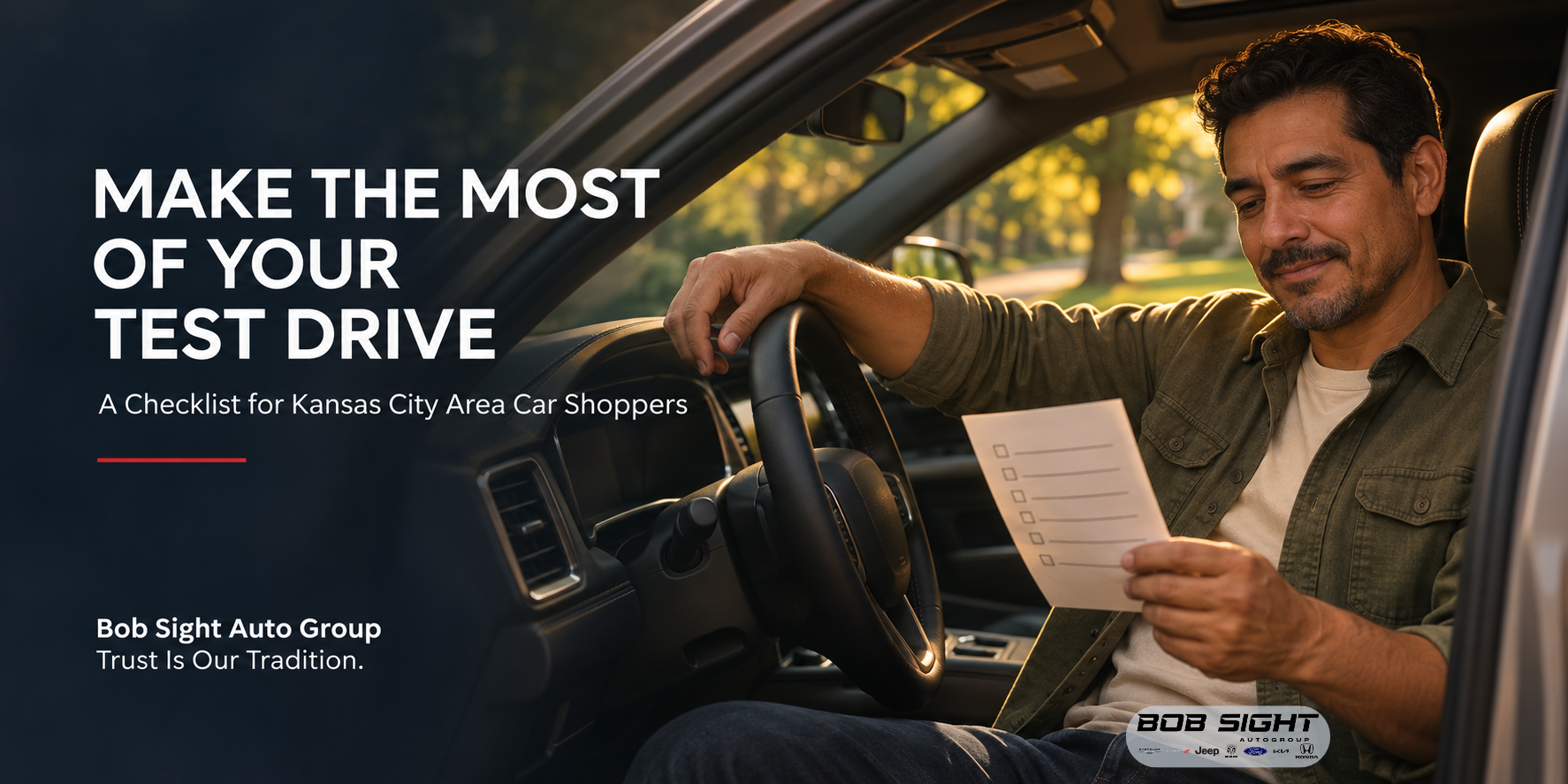
Use our test drive checklist to evaluate comfort, visibility, cargo space, and technology before your next dealership visit in the Kansas City area.

Test Drive Checklist for Kansas City Shoppers | Bob Sight

How to Make the Most of a Test Drive: A Checklist for Kansas City Area Car Shoppers The best way to prepare for a test drive is to identify your everyday needs, confirm the vehicle you want to drive, and bring a short checklist. During the visit, evaluate seating comfort, visibility, parking, passenger space, and cargo access. Ask for help understanding unfamiliar controls before leaving the dealership. A vehicle can look like a great fit online and still feel different once you sit behind the wheel. The driving position might surprise you, the cargo opening might be smaller than expected, or a feature you overlooked could make your daily routine easier. For shoppers across the Kansas City metro and nearby Kansas communities, a thoughtful test drive helps connect vehicle research with real life. Whether your week includes commuting from Blue Springs, school pickup in Lee’s Summit, or errands around Lawrence, the goal is to understand how a vehicle works for you. Bob Sight Auto Group connects shoppers with Kia vehicles in Independence, Ford vehicles in Lee’s Summit, and Honda and Chrysler, Dodge, Jeep, and Ram vehicles in Lawrence. Use this test drive checklist to make your next dealership visit more useful. Start With the Problems You Want Your Next Vehicle to Solve Before choosing vehicles to test drive, write down what you want to improve about your current one. This gives your visit a purpose beyond deciding whether you like the styling. Maybe your current back seat feels crowded. Perhaps loading groceries requires an awkward reach, or your commute has made seat comfort more important. A new hobby might require different cargo space. Divide Your List Into Needs and Preferences Needs are requirements that determine whether a vehicle can handle your routine. Preferences are features you would enjoy but could reconsider if another vehicle fits better overall. How many people regularly ride with you? Which seats need to be comfortable every day? What items do you routinely carry? Where do you park at home and work? Which controls or features do you use most? Does another household member need to drive the vehicle? Choose your three most important needs and keep them visible during the visit. A vehicle with appealing technology still needs to meet the practical requirements that brought you shopping. Confirm the Exact Vehicle Before Visiting the Dealership Online research helps narrow your options, but your test drive should connect to a specific vehicle whenever possible. Equipment can differ by model year, trim, package, and individual vehicle configuration. Save the listing or stock number for the vehicle you want to see. Contact the dealership to confirm availability and ask about scheduling a test drive. Explain What You Want to Evaluate If a particular seat configuration, drivetrain, or feature matters to your decision, mention it when you schedule. That helps the team understand why you selected that vehicle. If your first choice is unavailable, ask how a suggested alternative differs. Driving a similar vehicle can still help, but you should know which observations apply to the vehicle you may eventually purchase. For shoppers near Lee’s Summit, Greenwood, and Pleasant Hill, browsing the new Ford inventory at Bob Sight Ford can help identify specific vehicles before a visit. Bring the People and Everyday Items That Matter A test drive is more useful when it reflects how you actually use a vehicle. If another adult will regularly drive it, consider visiting together so both drivers can evaluate the seating position and controls. Passengers can also help assess rear-seat comfort. Their experience might reveal something you cannot judge from the driver’s seat. Bring Representative Cargo With Permission Ask the dealership whether you can bring a stroller, mobility aid, sports bag, or other important item for a fit check. Measurements are helpful, but handling the item can reveal whether loading is comfortable. If child restraints are part of your routine, ask about checking fit while parked. Follow both the child restraint instructions and the vehicle owner’s manual for installation and seating requirements. Bring your driver’s license and ask what else the dealership requires for the appointment. Keep your checklist on paper or use your phone only while safely parked. Evaluate the Driver’s Seat Before You Start Moving Take time to adjust the seat, steering wheel, and mirrors before leaving the parking space. A rushed setup can make a suitable vehicle feel uncomfortable or create a misleading first impression. Ask for help if you are unfamiliar with the adjustment controls. Once positioned, check whether you can reach the pedals and steering wheel comfortably. Look Beyond the First Comfortable Moment A seat can feel pleasant for a few seconds but less supportive after several minutes. Notice the seat cushion, lower back support, shoulder position, and available room for your legs. Can you maintain a comfortable driving posture? Do you have sufficient headroom in your preferred position? Does the center console press against your leg? Can you reach frequently used controls without stretching? Is the armrest comfortable for your normal driving position? For commuters traveling between Independence, Blue Springs, and other Kansas City area destinations, these small comfort details deserve attention. You will experience them far more often than a feature used only occasionally. Check Entry, Exit, and Passenger Comfort Before focusing on acceleration or technology, get in and out of the vehicle a few times while it is parked. Notice the step height, door opening, roofline, and space around your knees. Repeat the process at the seating positions your household will use. A comfortable front seat does not tell you whether the second or third row fits your passengers. Set the Front Seat Before Checking the Rear Seat Adjust the driver’s seat for yourself, then check the space behind it. This gives you a more realistic impression than evaluating the back seat with the front seat moved unusually far forward. If the vehicle has a third row, ask how passengers access it and try the process while parked. Check the required seat movements and whether they fit your expected passenger arrangement. Also examine rear air vents, charging locations, storage pockets, and seat belt access where equipped. Focus on whether the layout supports your household rather than simply counting features. Assess Visibility From Your Actual Driving Position Visibility depends partly on your height, posture, and seat adjustment. Evaluate it after setting up the driver’s seat, rather than relying only on a review or another person’s experience. Look through the windshield and side windows. Check the mirrors and notice how the roof pillars and rear head restraints affect your view. Ask About Cameras and Parking Features If the vehicle has cameras or parking assistance features, request a demonstration while stationary. Learn how to access the displays and what the symbols mean before using them during a maneuver. Use direct observation and normal safe driving practices throughout the test drive. Camera views and alerts should support your awareness, and you should understand their limitations. If you regularly park in a garage, bring the opening dimensions and consider the vehicle’s mirrors and liftgate clearance. A dealership parking space cannot fully answer whether the vehicle fits your home. Choose a Test Drive Route That Resembles Your Routine Discuss the route with your dealership representative before leaving. Ask whether the permitted route can include the types of roads you normally use, subject to traffic, weather, and dealership guidelines. A short route with a mix of ordinary conditions can be more informative than driving without a plan. The goal is to experience normal use, not push the vehicle’s limits. Include Everyday Driving Situations When Practical Lower-speed streets for steering feel and routine stops. A road with typical pavement changes for ride comfort. A higher-speed segment, if permitted, for road noise and cruising comfort. A suitable parking area for low-speed maneuvering. Ordinary turns and intersections that reflect local driving. For a Lawrence shopper who frequently travels toward Topeka or Eudora, cruising comfort may deserve more attention. Someone making mostly short trips around Independence may focus more on parking and getting in and out. Follow posted limits and leave appropriate space around other road users. If conditions prevent part of your evaluation, note the unanswered question and discuss another opportunity. Pay Attention to Ride, Steering, and Everyday Response During the drive, notice how the vehicle responds to normal inputs. Does the steering feel comfortable? Is the accelerator easy to manage? Does the ride suit your preferences on the roads included in the route? You do not need technical vocabulary to describe your impressions. Saying that a seat feels tiring, a control feels abrupt, or the cabin seems louder than expected is useful feedback. Evaluate Normal Braking and Acceleration Use smooth, ordinary acceleration and braking appropriate to the conditions. Notice whether the vehicle’s response feels predictable and comfortable for you. Do not perform abrupt stops, aggressive maneuvers, or deliberate attempts to trigger emergency assistance systems. Those actions are unnecessary for evaluating everyday suitability. If you hear an unfamiliar sound or notice a vibration, describe when it occurs and ask the representative about it. A test drive helps you identify questions, but it does not replace a mechanical inspection. Try Parking Before You Decide the Vehicle Feels Manageable A vehicle can feel easy to drive on an open road and less comfortable in a parking lot. Include a normal parking maneuver in an appropriate location with the representative’s guidance. Notice how easily you judge the vehicle’s corners and position it within the space. Pay attention to steering effort and your view of surrounding vehicles and pedestrians. Think About Your Most Common Parking Situation Do you use a narrow garage, a shared driveway, or a busy workplace lot? Consider those situations as you evaluate the vehicle’s size. After parking, check whether you can open the door comfortably within the space. Families may also want to consider the room needed to help a passenger or access a child restraint. If a truck bed, rear-mounted accessory, or wide-opening door changes how you would use your usual parking area, write down that concern. Measurements and a follow-up discussion may be more useful than guessing. Check Cargo Space With the Seats You Will Actually Use Cargo capacity figures provide context, but usable space depends on the shape of the opening, floor height, seat position, and the items you carry. With the vehicle parked, open the cargo area and picture an ordinary week. Where would groceries go? Could you reach a bag at the back? Would your stroller fit without changing the passenger arrangement? Look at Loading Effort and Seat Operation Ask how the rear seats fold and try the process if permitted. Check whether head restraints, seat belts, or front-seat positions require adjustment. For a three-row vehicle, evaluate cargo room with the third row upright if you expect to use it regularly. Space available with every rear seat folded may not reflect your actual needs. For a pickup, consider bed access, tailgate operation, and the dimensions of your usual cargo. If towing or hauling is a requirement, discuss the exact vehicle configuration separately. A normal test drive does not establish its suitability for a particular load. Explore Technology While the Vehicle Is Parked Technology is easier to evaluate when you can give it your attention without driving. Ask the representative to explain the main controls before departure or after returning. Start with functions you use regularly, such as climate settings, audio volume, navigation, and phone connectivity. Notice whether the layout feels understandable after a brief explanation. Confirm Features on the Specific Vehicle Ask which phone connection methods are supported. Check where charging ports are located. Try adjusting temperature and fan settings while parked. Ask which features require an account or subscription. Review the meaning of unfamiliar dashboard indicators. Ask how to access the owner’s manual and feature instructions. If you pair your phone with a demonstration vehicle, remove your device and any transferred personal information before leaving. Ask for help if you cannot find the appropriate settings. For a hybrid or electric vehicle, request an explanation of its displays and operating controls. If plugging in is part of ownership, discuss your charging arrangements separately from the driving impressions. Add These Steps When Test Driving a Used Vehicle A used vehicle test drive includes the same comfort and usability checks, along with questions about that individual vehicle’s condition and history. Before driving, walk around the vehicle with the representative. Look at the interior, exterior, tires, and cargo area, and ask about anything you want explained. Connect Your Observations With Available Records Ask what inspection information, service records, and vehicle history documentation are available. Review those materials alongside what you notice during the drive. Check the operation of accessible features while parked, including windows, locks, seat adjustments, and climate controls. Record any question that needs follow-up rather than assuming an unfamiliar behavior is normal. If you want an independent inspection, discuss arrangements before making a purchase decision. A comfortable drive and a clean appearance do not answer every mechanical question. Shoppers around Lawrence and nearby Douglas County communities can browse the used vehicle inventory at Bob Sight Honda to identify specific options for a closer evaluation. Write Down Your Impressions Immediately After the Drive Once you return and park safely, take a few minutes to record what stood out. Details become harder to separate after you drive several vehicles. Use the same categories for each vehicle so your notes support a consistent decision. Driver comfort and control reach. Passenger space and ease of entry. Visibility and parking confidence. Ride comfort and cabin noise. Cargo access and everyday storage. Technology usability. Questions that remain unanswered. Include specific observations. “The cargo floor was comfortable to reach” tells you more later than “good cargo space.” Similarly, note where a seat felt uncomfortable rather than giving the whole interior a vague rating. If another household member attended, compare notes before discussing the next step. Different priorities are easier to resolve when everyone can point to a clear observation. Plan Your Test Drive With Bob Sight Auto Group Choose a location based on the vehicle you want to evaluate, then contact that dealership to confirm availability and appointment requirements. Independence, Missouri Bob Sight Kia offers a starting point for Kia shoppers in Independence, Blue Springs, Raytown, and surrounding communities. Share your seating, cargo, and commuting priorities when arranging your visit. Lee’s Summit, Missouri Bob Sight Ford serves shoppers exploring Ford vehicles in Lee’s Summit and nearby communities. Identify the specific vehicle you want to drive and discuss any configuration questions before arriving. Lawrence, Kansas Bob Sight Honda and Bob Sight Chrysler Dodge Jeep Ram provide options for shoppers in Lawrence, Eudora, Baldwin City, Topeka, and surrounding areas. Confirm which dealership has the vehicle you want to see before traveling. Frequently Asked Questions About Test Driving a Vehicle How long should a test drive take? Ask the dealership about its appointment format and permitted route. Allow time for a parked walkthrough, seat adjustments, the drive, and follow-up questions. If you cannot evaluate an important need during the appointment, discuss what additional opportunity may be available. Can I bring a stroller or other cargo? Ask in advance. A representative item can help you evaluate the opening, loading height, and usable space. Keep the vehicle protected during the check and follow the dealership’s guidance. Should I drive more than one trim? That can help when the trims differ in features that matter to you. Ask which differences could affect seating, controls, ride impressions, or daily use, and confirm the equipment on each specific vehicle. What if I still feel unsure after the drive? Identify the reason. You may need another seat adjustment, a clearer feature demonstration, a cargo fit check, or a second visit with another driver. A specific unanswered question gives you a useful next step. Bring Your Daily Routine Into the Decision A useful test drive connects the vehicle in front of you with the life you expect it to support. Prepare your priorities, evaluate the details while parked, drive a suitable route, and record your impressions before moving to another option. Visit Bob Sight Auto Group to explore our dealerships in Missouri and Kansas. Connect with your selected location to confirm a vehicle and plan a test drive around the questions that matter to you. Trust Is Our Tradition.

Use our test drive checklist to evaluate comfort, visibility, cargo space, and technology before your next dealership visit in the Kansas City area.

How to Prepare Your Trade-In in Missouri & Kansas | Bob Sight

How to Prepare Your Trade-In Before Visiting a Dealership in Missouri or Kansas Preparing your trade-in starts with a few practical steps: gather your vehicle information, locate ownership documents, collect maintenance records, and clean out the cabin. If you still have a loan, request a current payoff amount. These details help you arrive ready for an appraisal and a clearer conversation about your next vehicle. For drivers around Kansas City, a vehicle change might start with a growing family, a different commute, or the need for a truck that better fits the workweek. Whatever brings you to the dealership, understanding your current vehicle helps you ask useful questions before making a decision. At Bob Sight Auto Group, shoppers can connect with dealerships in Independence and Lee’s Summit, Missouri, and Lawrence, Kansas. This guide walks through how to prepare your trade-in, what to bring, and how to keep the process organized from your first online estimate through your dealership visit. Start With Accurate Information About Your Current Vehicle Before requesting a trade-in estimate, make a short reference sheet for your vehicle. Accurate information gives you a more useful starting point and reduces the chance of comparing estimates based on different equipment or condition descriptions. You do not need to memorize every specification. Your registration, original purchase paperwork, window sticker, and vehicle identification number can help you confirm the details. Gather These Vehicle Details Year, make, and model. Trim level and major equipment packages, if known. Vehicle identification number, also called the VIN. Current odometer reading. Engine and drivetrain configuration, if known. Known mechanical concerns or dashboard warning lights. Accident, repair, and ownership history you can document. Number of available keys and remotes. Check mileage shortly before submitting an estimate request. A number copied from an old service invoice might no longer reflect the vehicle you are bringing in. If you are uncertain about the trim or equipment, say so. Guessing that your SUV has a particular package can create an estimate that needs a larger adjustment once the vehicle is inspected. Understand What an Online Trade-In Estimate Can Tell You An online trade-in estimate is a planning tool. It helps you begin the conversation using information about your vehicle, but it should not be treated as a guaranteed final offer unless the specific program clearly provides that guarantee and you meet its conditions. A physical appraisal allows the dealership to confirm mileage, equipment, condition, and other details that may not be fully captured in an online form. For example, two vehicles with the same model year and trim can have different tire condition, interior wear, service needs, and repair histories. Those differences matter when the vehicles are evaluated. Use the Same Details When Comparing Estimates If you request more than one estimate, use the same mileage, equipment information, and condition description each time. Save the date and any terms attached to each estimate. Also check whether a number represents an estimated trade-in value, a purchase offer, or a retail asking price. These describe different situations and should not be compared as though they mean the same thing. Drivers considering a visit to Independence can start with the Bob Sight Kia trade-in tool. Have your vehicle details nearby so your submission reflects the car, truck, or SUV you actually own. Gather Your Ownership Documents Before the Appointment Paperwork is one of the easiest parts of trade-in preparation to overlook. Finding documents early gives you time to ask questions about anything missing or unusual. The exact documents needed depend on your ownership situation. A vehicle owned outright, a financed vehicle, and a vehicle with multiple owners can require different preparation. Build a Document Folder Valid driver’s license or other identification requested by the dealership. Current vehicle registration. Vehicle title, if it is in your possession. Lender name and account information, if the vehicle is financed. Available maintenance and repair records. Any additional ownership documents the dealership requests. Ask the dealership which owners need to attend and what signatures will be required. This is useful when a spouse, family member, business, or other party appears on the ownership paperwork. If the title is missing, the owner’s name has changed, or the vehicle belongs to an estate or business, explain that before the visit. The team can identify what information it needs to review your situation. Request a Current Payoff Amount if You Still Have a Loan If your vehicle is financed, ask your lender for a current payoff quote and its expiration date. The payoff amount can differ from the balance shown on your latest statement. Compare that amount with the actual trade offer. Positive equity means the offer exceeds the payoff. Negative equity means you owe more than the offer. If a remaining balance is included in replacement financing, it increases the amount borrowed and can increase total interest costs. Ask how any balance will be handled and review the written terms before signing. After the transaction, confirm with your previous lender that the original loan has been paid off. Keep the relevant paperwork and contact information together until that confirmation is complete. Collect Maintenance Records That Explain the Vehicle’s History Maintenance records help you show what work has been completed and when. They can also help answer questions that would otherwise depend on memory. Useful records might include oil changes, tire replacements, brake repairs, battery replacement, scheduled inspections, and significant mechanical work. Organize them by date or mileage so they are easy to review. Highlight Recent Work Without Expecting Dollar-for-Dollar Credit If you recently replaced the tires or completed a major repair, bring the invoice. It documents the work and gives the appraiser more context about the vehicle’s current condition. However, money spent on maintenance does not automatically translate into an equal increase in trade-in value. Maintenance supports vehicle condition, while the appraisal considers the vehicle as a whole. If some records are missing, bring what you have. You can also ask your servicing dealership or repair shop whether copies are available. Avoid describing maintenance as completed unless you can confidently confirm it. For a vehicle that has moved between households or service providers, a simple timeline can be helpful. Note approximate ownership dates, major repairs, and any gaps you cannot verify. Clean the Vehicle So Its Condition Is Easy to Evaluate A basic cleaning makes the vehicle easier to inspect and gives you a chance to find belongings tucked into storage areas. Start with the cabin, cargo space, and the places you use every day. Remove loose items, vacuum the seats and floors, and wipe down common surfaces using products appropriate for the materials. A normal exterior wash can help make the body condition easier to see. Check the Spaces People Commonly Miss Under the front seats and between seat cushions. Door pockets and seatback pockets. Glove compartment and center console. Third-row storage areas and cargo compartments. Under the cargo floor. Truck bed storage and toolboxes. Garage door opener clips and charging ports. You do not need to purchase an expensive detailing package before requesting an appraisal. A clean, accessible vehicle is a useful starting point. Avoid using strong fragrances to cover an odor. If there is a persistent smell, water intrusion, or another concern, describe it accurately so the dealership can evaluate it. Should You Repair Your Car Before Trading It In? There is no universal repair list that every owner should complete before trading a vehicle. The useful question is whether a repair makes sense given its cost, the vehicle’s condition, and your plans. Before authorizing major cosmetic or mechanical work solely to increase an appraisal, consider requesting an evaluation in the vehicle’s current condition. You can then discuss how the concern affects the offer. Separate Safety Concerns From Cosmetic Improvements A serious drivability or safety concern deserves attention regardless of your shopping timeline. If the vehicle may be unsafe to drive, contact the dealership before attempting to bring it in and discuss an appropriate way to have it evaluated. Cosmetic choices deserve a different conversation. Repainting a panel, replacing worn upholstery, or buying new wheels may cost more than the resulting change in trade-in value. Do not clear warning lights or conceal a known problem to prepare for an appraisal. Describe the symptoms, share available diagnostic information, and let the appraiser assess the vehicle with accurate context. A short written list can help: when the concern happens, whether it is intermittent, and what work has already been attempted. Bring All Keys and Vehicle-Specific Accessories Before your visit, gather the items that belong with the vehicle. This helps the dealership understand what is included and prevents a second search after you decide to move forward. Depending on the vehicle, those items may include spare keys, remote fobs, wheel lock keys, cargo covers, removable seating components, or original accessories you plan to include. For Plug-In Vehicles, Check the Charging Equipment If a portable charging cord or adapter belongs with your electric vehicle or plug-in hybrid, locate it and explain whether it is included. Do not assume every charging accessory in your garage came with the vehicle. For trucks and SUVs, identify personal equipment you intend to keep, such as a removable toolbox or aftermarket cargo organizer. Discuss those items before the appraisal so everyone understands which configuration is being evaluated. If something is missing, tell the dealership. You can ask whether replacing it would meaningfully affect the appraisal before spending money on a replacement. Plan for Personal Data Removal Before the Final Handoff Modern vehicles can store paired phones, navigation destinations, contact lists, garage door settings, and connected account information. Include digital cleanup in your trade-in plan. You can identify the relevant settings before your appointment, then complete the appropriate removal steps when the trade is finalized and you are ready to hand over the vehicle. Use the Instructions for Your Specific Vehicle Remove paired phones and saved contacts. Clear saved home, work, and navigation destinations. Remove personal driver profiles where applicable. Clear programmed garage door information. Remove toll transponders, parking passes, and personal media. Follow the manufacturer’s process for disconnecting vehicle apps and accounts. Consult the owner’s manual or manufacturer instructions before resetting systems. Deleting a phone from the infotainment screen may not remove the vehicle from a separate connected services account. Also check dash cameras and removable memory cards. Keep personal recordings and devices you do not intend to transfer with the vehicle. Choose the Bob Sight Dealership That Fits Your Next Vehicle Search Trade-in preparation is only part of the shopping process. Think about what you need from your replacement vehicle before choosing where to begin. Consider passenger space, cargo needs, parking limitations, commuting distance, and the equipment you use regularly. A short list of priorities can keep a test drive focused on your daily routine. Bob Sight Kia in Independence, Missouri For shoppers in Independence, Blue Springs, Raytown, and nearby Jackson County communities, Bob Sight Kia provides a place to explore Kia vehicles and discuss a trade-in. Review the new Kia inventory before visiting and note vehicles you would like to see. Bob Sight Ford in Lee’s Summit, Missouri Drivers around Lee’s Summit, Greenwood, Pleasant Hill, and the surrounding Kansas City metro can connect with Bob Sight Ford. Start with the Ford trade-in tool and browse vehicles that fit your work, family, or commuting needs. Bob Sight Honda in Lawrence, Kansas For shoppers in Lawrence, Eudora, Baldwin City, Topeka, and surrounding communities, Bob Sight Honda offers a local starting point for a Honda vehicle search. Review the new Honda inventory and contact the team about preparing your current vehicle for an appraisal. Bob Sight Chrysler Dodge Jeep Ram in Lawrence, Kansas Drivers considering Chrysler, Dodge, Jeep, or Ram vehicles can connect with Bob Sight CDJR in Lawrence. Its online trade valuation tool provides a starting point before discussing your current vehicle and replacement priorities with the dealership. Ask These Questions During Your Trade-In Appraisal An appraisal is an opportunity to understand how your vehicle was evaluated. Prepare a few questions so you can review the offer with useful context. What vehicle information and condition details were used? Were the trim level and major options confirmed? Are any missing accessories or repair needs reflected in the offer? How long is the offer valid, and what conditions apply? What additional documents would be needed to complete the trade? Which items and accessories are included in the appraisal? Ask for clarification whenever a term or figure is unclear. Keep a copy of the appraisal information and the vehicle details you provided. If you are still deciding between replacement vehicles, explain your timeline. That helps you understand whether another evaluation may be needed before you are ready to complete a transaction. A Simple Trade-In Preparation Checklist Use this checklist before leaving home for a dealership visit in Missouri or Kansas: Confirm the VIN, mileage, trim, and major equipment. Gather registration, identification, and available ownership documents. Request a current lender payoff quote if applicable. Organize maintenance records and recent repair invoices. Write down known mechanical or cosmetic concerns. Clean the cabin and remove loose personal belongings. Locate spare keys and vehicle-specific accessories. Identify personal equipment you intend to keep. Plan the digital account and personal data removal steps. Confirm your appointment and ask about any missing paperwork. If you are driving from Topeka to Lawrence or across the Kansas City metro, confirming the appointment details can help you avoid an unnecessary return trip. Ask whether the dealership needs anything in advance and whether the vehicle you want to see is available. Frequently Asked Questions About Preparing a Trade-In Do I need to detail my car before trading it in? A basic cleaning is a sensible starting point. Remove belongings, vacuum accessible areas, and wash the exterior if practical. Before paying for extensive detailing, ask whether it is likely to affect the evaluation enough to justify the expense. Can I get an appraisal if I am missing a spare key? Tell the dealership how many keys you have. A missing spare is something to disclose and discuss during the evaluation. Ask about its effect before ordering a replacement solely for the trade-in. Should I bring service records if the dealership already serviced my vehicle? Bring accessible records and mention where the vehicle was serviced. Do not assume every location or appraiser can immediately access every past invoice. Copies can make the history easier to review. What if my car has damage or a warning light? Describe the concern when scheduling the appraisal. Share any repair estimates or diagnostic records you have. If the vehicle may be unsafe to drive, discuss evaluation or transportation arrangements before traveling to the dealership. Can I trade in a different brand than the dealership sells? Contact your selected dealership with the year, make, model, mileage, and condition. Ask whether it can evaluate your vehicle and what information it needs. Your current vehicle and your next vehicle do not have to share a brand for you to begin that conversation. What if I live in one state and shop in the other? Tell the dealership where you live and where the replacement vehicle will be registered. Ask which documents it needs for your situation before visiting. This is a useful preparation step for shoppers traveling between Missouri and Kansas. Prepare for Your Next Step With Bob Sight Auto Group A prepared trade-in visit begins with accurate information and a few organized documents. Gather your records, clean out your vehicle, locate its accessories, and write down the questions you want answered. Then choose the Bob Sight dealership that fits your vehicle search. Whether you are shopping in Independence, Lee’s Summit, or Lawrence, preparation gives you more time to focus on the vehicles and features that fit your life. Visit Bob Sight Auto Group to explore our dealership family and connect with the location that matches your next step. Trust Is Our Tradition.